
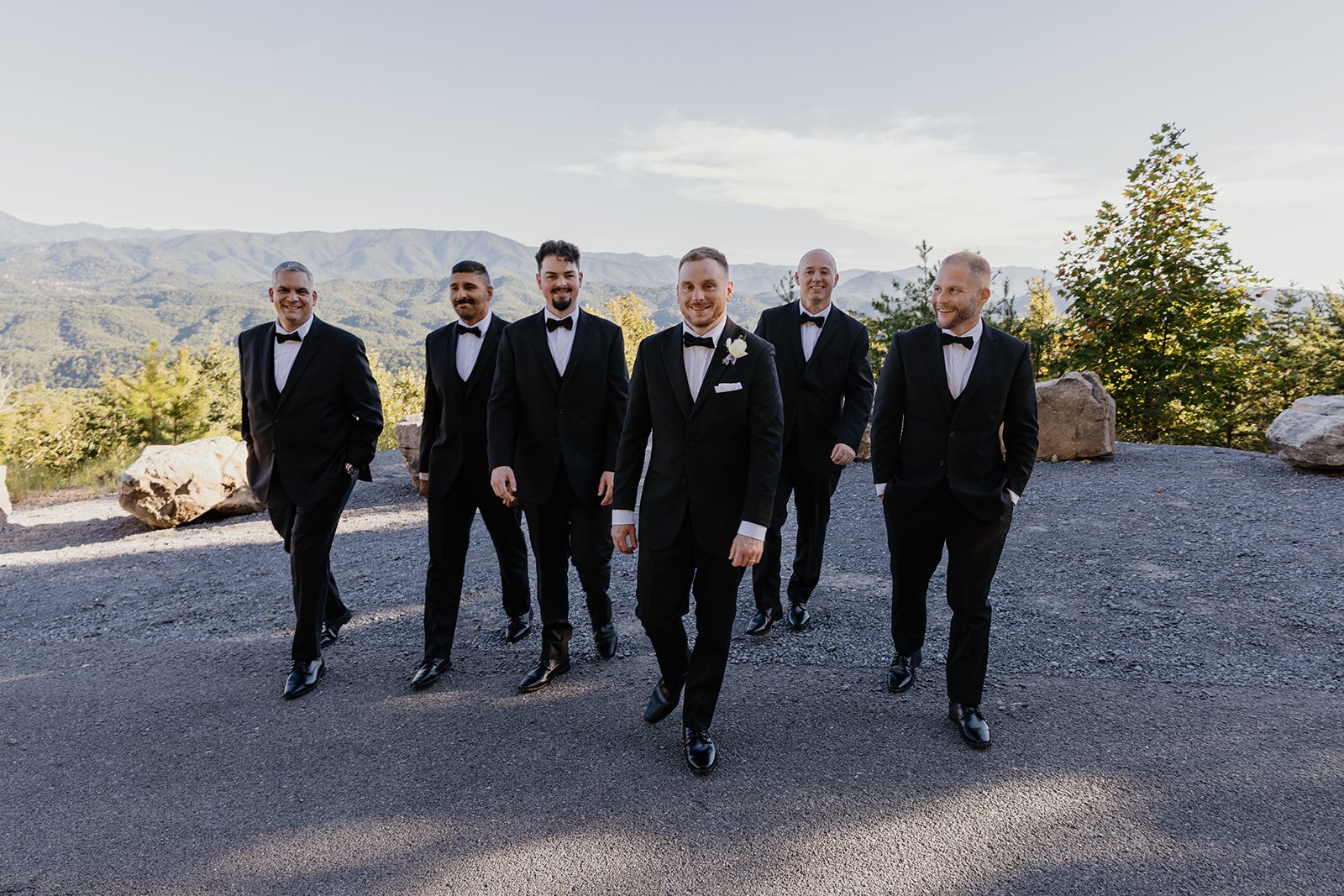
You've probably seen the wedding photography checklists on Pinterest.
They're filled with dozens, sometimes hundreds, of photographs you're supposedly supposed to request.
A photograph of the wedding rings.
A photograph of the bride putting on her shoes.
A photograph of the groom adjusting his tie.
A photograph of the first kiss.
A photograph of the cake.
And the list goes on.
At first, it seems helpful. After all, you don't want to miss anything important.
But here's something I wish more couples understood:
You don't need to give an experienced wedding photographer a checklist of every photograph they're supposed to take.
In fact, an overly detailed shot list can sometimes make your wedding photography feel less natural.
That doesn't mean you shouldn't communicate your priorities.
You absolutely should.
The key is knowing which photographs need to be specifically requested and which moments are better left to your photographer's judgment.
What Is a Wedding Photography Shot List?
A wedding photography shot list is a document outlining the photographs you want captured during your wedding.
It might include:
Important family groupings
Specific details
Meaningful people
Special traditions
Planned surprises
Particular portrait requests
Some couples create their own lists, while others find templates online.
A shot list can be useful, but it shouldn't become a minute-by-minute instruction manual for your photographer.
Do Professional Wedding Photographers Need a Shot List?
For standard wedding-day moments, generally not.
An experienced wedding photographer should already understand how to document:
Getting ready
Wedding details
First looks
Ceremony
Couple portraits
Wedding-party portraits
Family photographs
Reception entrances
First dances
Speeches
Cake cutting
Dancing
These are fundamental parts of wedding coverage.
You shouldn't have to remind your photographer to photograph your first kiss.
What your photographer does need to know is what's unique about your wedding.
And that's where a thoughtful shot list becomes valuable.
1. Start With the People Who Matter Most
If there's one part of your shot list I'd prioritize, it's the people.
Your photographer won't necessarily know that your grandmother traveled across the country to attend.
Or that your childhood best friend is visiting from overseas.
Or that your parents are celebrating their 40th anniversary on your wedding weekend.
Those details matter.
Consider sharing a short list of especially important people and relationships.
For example:
Grandparents attending the wedding
Close family members
Childhood friends
People traveling significant distances
Anyone participating in a special tradition
This doesn't mean your photographer should spend the day chasing individual guests.
It simply helps them understand which relationships carry particular meaning.
2. Create a Family Formal Photograph List
This is the one type of wedding photography shot list I strongly recommend.
Family photographs are different from candid coverage because they require organization.
Your photographer needs to know which combinations you want.
For example:
Couple with both sets of parents
Couple with bride's immediate family
Couple with groom's immediate family
Couple with grandparents
Couple with siblings
If there are divorces, sensitive family relationships, or accessibility considerations, communicate those privately beforehand.
A thoughtful family list helps everyone move through photographs efficiently without unnecessary confusion.
Keep the list focused on the groupings that genuinely matter to you.
You can always take additional informal photographs during the reception.
3. Tell Your Photographer About Meaningful Details
Not every meaningful wedding detail is visually obvious.
Your photographer will likely photograph your rings, flowers, invitations, and other traditional details.
But they might not know that you're wearing your grandmother's necklace.
Or that your wedding dress includes a piece of fabric from your mother's gown.
Or that your partner has a handwritten note sewn inside their jacket.
Those are the details worth mentioning.
They aren't important simply because they're pretty.
They're important because they have a story.
Examples of meaningful details
Family heirloom jewelry
Memorial charms
Handwritten letters
Personalized embroidery
An inherited watch
A special photograph
Something borrowed from a loved one
A quick conversation before the wedding can help make sure these details receive the attention they deserve.
4. Share Special Traditions and Surprises
Every wedding is different.
Some couples include cultural or religious traditions.
Others plan surprise dances, gifts, or special moments involving family members.
If something meaningful is going to happen, your photographer should know about it.
For example:
Maybe you're planning a private letter exchange before the ceremony.
Maybe your grandfather is giving a special blessing.
Maybe you're surprising your parents with an anniversary dance.
Those moments are much easier to document when your photography team knows they're coming.
5. What About Pinterest Inspiration Photos?
Pinterest can be a useful tool for communicating style.
But I wouldn't recommend sending your photographer a board with 150 photographs and expecting every image to be recreated.
Here's why.
Every wedding has different:
Lighting
Locations
Architecture
Weather
Timelines
People
Clothing
Personalities
A photograph taken at a luxury estate in Italy may not translate directly to a ballroom wedding in Tennessee.
And that's okay.
Use Pinterest to communicate a feeling
Instead of saying:
"I want this exact photograph."
Try explaining what you love about it.
Maybe it's the natural movement.
The dramatic lighting.
The intimate composition.
The documentary feeling.
That information is much more useful than asking someone to recreate a photograph from a completely different wedding.
6. Don't Turn Candid Moments Into a Checklist
This is one of the biggest mistakes couples can make.
You might see a photograph online of a bride laughing with her bridesmaids and decide you need that exact image.
But genuine candid photographs happen because of real interactions.
They aren't always predictable.
If your photographer spends the entire day trying to recreate someone else's candid moments, they may miss the authentic moments happening right in front of them.
The goal should be to capture your wedding as it actually unfolds—not make it look identical to someone else's.
7. Give Your Photographer Creative Freedom
One of the reasons you hire a professional wedding photographer is for their experience and creative judgment.
They understand how to anticipate moments, recognize good light, and adapt when circumstances change.
A rigid shot list can limit that flexibility.
For example, your photographer might notice beautiful light coming through a window during getting ready.
Or a meaningful interaction between family members.
Or an unexpected opportunity for portraits.
Those moments might not be on your checklist.
But they could become some of your favorite photographs.
8. A Practical Wedding Photography Shot List
Here's the kind of list I think is genuinely useful.
CategoryWhat to communicateFamily photographsSpecific group combinationsImportant peopleGrandparents, close relatives, meaningful relationshipsHeirloomsJewelry, letters, memorial items, sentimental detailsSpecial traditionsCultural, religious, or family customsSurprisesPlanned gifts, performances, special dancesUnique portraitsA meaningful location or specific personal requestWedding-day prioritiesMoments you're especially excited about
Notice what's missing?
A checklist telling the photographer to capture the rings, flowers, ceremony, first kiss, and first dance.
Those should already be part of professional wedding coverage when they occur during the contracted hours.
9. How Long Should Your Shot List Be?
For most weddings, I'd rather receive a thoughtful one-page document than a 10-page checklist.
That doesn't mean you have to limit yourself to a particular number of requests.
It means focusing on information your photographer couldn't reasonably know without you telling them.
Your list should help your photographer understand your priorities.
It shouldn't require them to constantly look at a phone or clipboard to determine what to photograph next.
10. When Should You Send Your Shot List?
Ideally, before your wedding day.
Your final planning questionnaire or pre-wedding consultation is a good opportunity.
That gives your photographer time to review the information and ask questions.
It's also helpful to share your finalized timeline, family groupings, and details about any planned surprises.
Waiting until the morning of the wedding can create unnecessary confusion.
11. What If You Have a Specific Photograph You Really Want?
Tell your photographer.
There's nothing wrong with having a few specific requests.
Maybe you want a photograph in front of your venue's historic staircase.
Maybe you want a portrait with your dog.
Maybe there's a special family tradition you want documented.
Those requests are completely reasonable.
Just remember that some photographs depend on timing, lighting, venue access, and other circumstances.
Discuss important requests in advance so your photographer can help determine what's realistic.
12. Should You Give Your Photographer a List of Poses?
You can share a few examples of poses you like.
But I wouldn't recommend planning every portrait.
One of the advantages of working with an experienced photographer is having someone guide you naturally.
You shouldn't need to memorize poses or constantly wonder where to put your hands.
I'd rather understand whether you prefer:
Romantic portraits
Natural movement
Editorial compositions
Playful interactions
Traditional portraits
Documentary-style photographs
Those preferences help shape the portrait experience without making it overly scripted.
13. Don't Forget to Communicate What You Don't Want
This is something couples often overlook.
Maybe you don't want an extended portrait session.
Maybe you prefer minimal posing.
Maybe you don't want photographs of a particular sensitive family situation.
Maybe you want your ceremony documented unobtrusively.
Those preferences can be just as useful as a list of requested photographs.
A good pre-wedding conversation should cover both your priorities and your boundaries.
14. The Best Wedding Photographs Often Aren't Planned
Some of my favorite types of wedding photographs are the moments nobody could have predicted.
A parent reacting during the ceremony.
A spontaneous embrace.
A flower girl doing something hilarious.
Friends celebrating on the dance floor.
A quiet moment between the couple after the ceremony.
Those photographs aren't usually on a shot list.
They happen because your photographer is paying attention.
And that's why I believe wedding photography should balance preparation with observation.
Frequently Asked Questions
Do I need to give my wedding photographer a shot list?
You don't need to provide a checklist of every standard wedding moment. However, a list of family groupings, important people, meaningful details, and special traditions can be extremely helpful.
What photos should be on a wedding photography shot list?
Prioritize family combinations, sentimental details, unique traditions, planned surprises, and specific personal requests that your photographer wouldn't otherwise know about.
Should I send Pinterest photos to my wedding photographer?
Yes, if they help communicate your preferences. A small selection of inspiration images is usually more useful than a large board of photographs you expect to recreate exactly.
How many photos should be on a wedding shot list?
There's no universal number. Focus on the photographs and information that genuinely require advance planning rather than creating an exhaustive checklist of standard wedding moments.
Should my photographer photograph every guest?
Not necessarily. A wedding gallery typically documents the overall celebration, but photographing every guest individually isn't always practical. If certain people are especially important, communicate that beforehand.
When should I send my photographer the shot list?
Send it before the wedding, ideally during the final planning process. This allows time to discuss priorities and coordinate family photographs and special moments.
Can I request specific wedding poses?
Absolutely. Share a few examples of poses or portrait styles you enjoy, while allowing your photographer to adapt them to your location, lighting, and personalities.
My Recommendation: Give Your Photographer Priorities, Not a Script
Your wedding photography should feel intentional.
But it shouldn't feel like a production checklist.
I want couples to communicate the people, moments, and details that matter most to them.
And then I want them to enjoy their wedding.
Because while a shot list can help us prepare, the photographs you'll treasure most may be the ones nobody planned.
At Spencer Purcell Films, I photograph and film weddings throughout Chattanooga, Nashville, and Tennessee with an emphasis on genuine moments, natural storytelling, and thoughtful preparation.
My goal is to understand what matters to you before the wedding so you can spend the day being present rather than worrying about whether every photograph is being captured.
Looking for a Wedding Photographer in Chattanooga or Nashville?
If you want wedding photography that balances beautiful portraits with authentic, candid moments, I'd love to hear what you're planning.
Contact Spencer Purcell Films to start planning your wedding photography and videography.