
Why Most Weddings Feel Rushed (And How to Fix It)
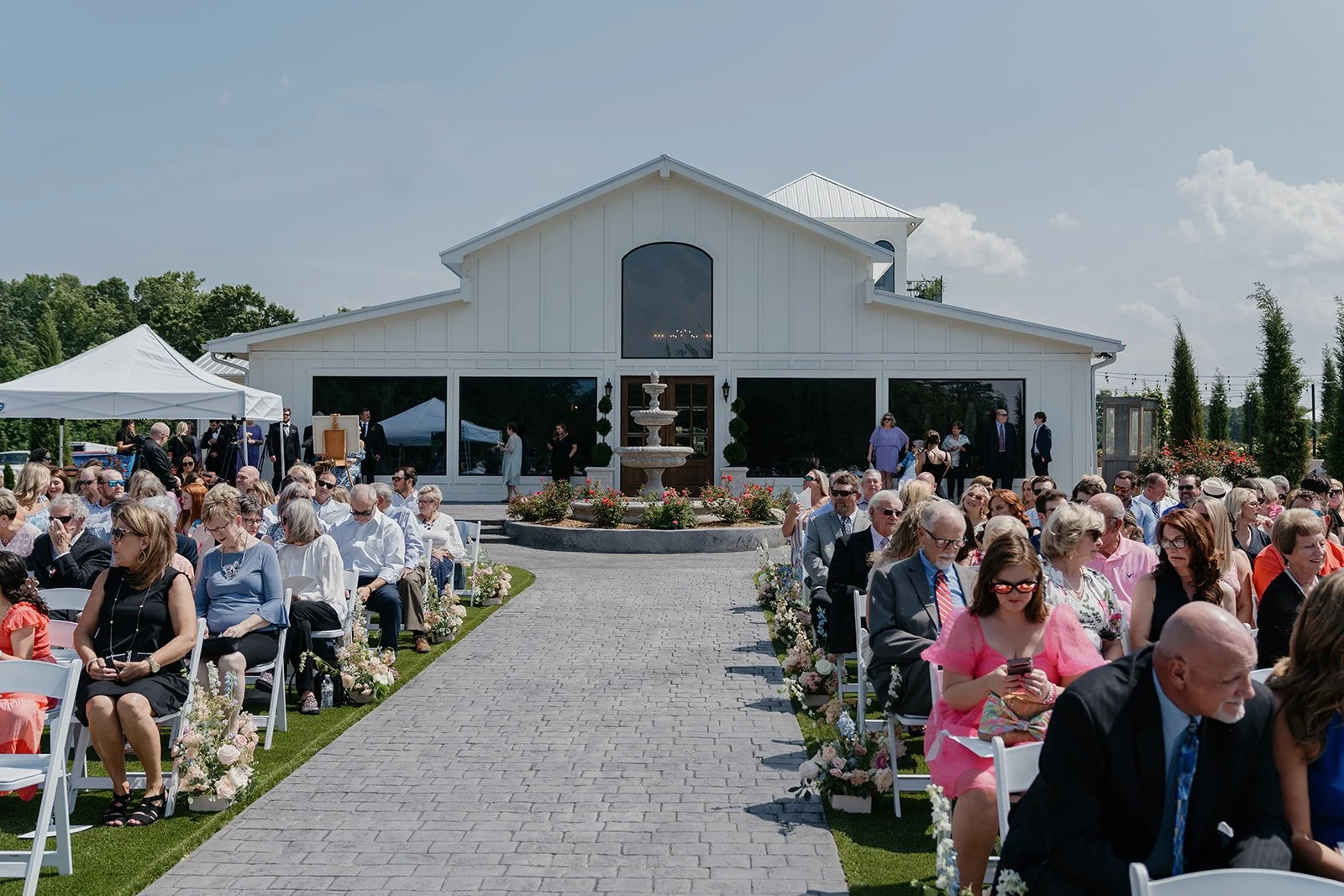
You’ve probably heard it before—or maybe you’ve already felt it at other weddings:
“The day flew by.”
“Everything felt rushed.”
And the truth is… most weddings do feel that way.
Not because something went wrong.
But because of how the day is structured.
After photographing weddings across Chattanooga and Nashville, the pattern is clear:
Rushed weddings aren’t caused by too many moments—they’re caused by too little margin.
Let’s break down why it happens—and how to fix it.
Why Weddings Feel Rushed
1. Timelines Are Built Too Tight
On paper, everything fits perfectly:
30 minutes here
15 minutes there
a quick transition between locations
But real life adds:
delays
movement time
people coordination
Those small gaps disappear quickly.
2. Hair & Makeup Runs Late
This is the most common domino effect.
When getting ready runs behind:
photos start late
everything compresses
stress builds early
And once you’re behind, it’s hard to recover.
3. Travel Time Is Underestimated
A “10-minute drive” becomes:
loading time
parking
walking
regrouping
Suddenly, 10 minutes turns into 25.
4. Too Many Moments Are Stacked Together
Each moment feels small:
letters
gifts
first look
wedding party photos
But when stacked back-to-back, they create pressure.
5. No Buffer for the Unexpected
Something will shift:
a delay
a late arrival
a weather change
Without buffer time, everything becomes reactive.
6. The Timeline Ignores Light
When the schedule doesn’t consider:
harsh midday sun
sunset timing
golden hour
…you end up rushing to fit portraits in later.
How to Fix It (And Actually Enjoy Your Day)
1. Build Buffer Time Everywhere
This is the single biggest fix.
Add:
10–15 minutes between events
extra travel cushion
breathing room after emotional moments
Buffer time = calm.
2. Finish Hair & Makeup Early
Plan for it to finish:
👉 30–45 minutes before you actually need to be ready
This creates:
a calm transition
time for details
space for candid moments
3. Simplify Your Timeline
You don’t need to do everything.
Focus on:
what matters most
what you’ll actually remember
what creates meaningful moments
Less pressure = more presence.
4. Plan Around Light
Instead of forcing portraits into the timeline:
Build your timeline around:
ceremony timing
golden hour
natural light conditions
This removes stress later.
5. Keep Locations Close (If Possible)
Less travel means:
more time
less stress
smoother transitions
In Tennessee, this matters even more with:
mountain roads near Chattanooga
traffic in Nashville
6. Work with Experienced Vendors
Experienced teams:
anticipate delays
adjust quietly
keep the day flowing
Without making you feel rushed.
7. Protect Quiet Moments
Some of the most meaningful parts of your day need space.
Plan for:
a moment after the ceremony
time alone during golden hour
small pauses throughout the day
These moments slow everything down.
What Happens When You Fix the Timeline
When your day isn’t rushed:
you feel present
moments last longer
laughter feels natural
emotions land fully
And your photos reflect that.
Why This Matters More Than You Think
A rushed wedding day doesn’t just feel stressful—it shows.
In:
body language
expressions
energy
A relaxed timeline creates:
authentic moments
natural emotion
timeless photos
If you’re planning a wedding in Chattanooga or Nashville and want a day that feels calm, intentional, and never rushed—
I’d love to help you build a timeline that protects your experience and your photos.