
How to Build the Perfect Wedding Day Timeline for Photos & Video
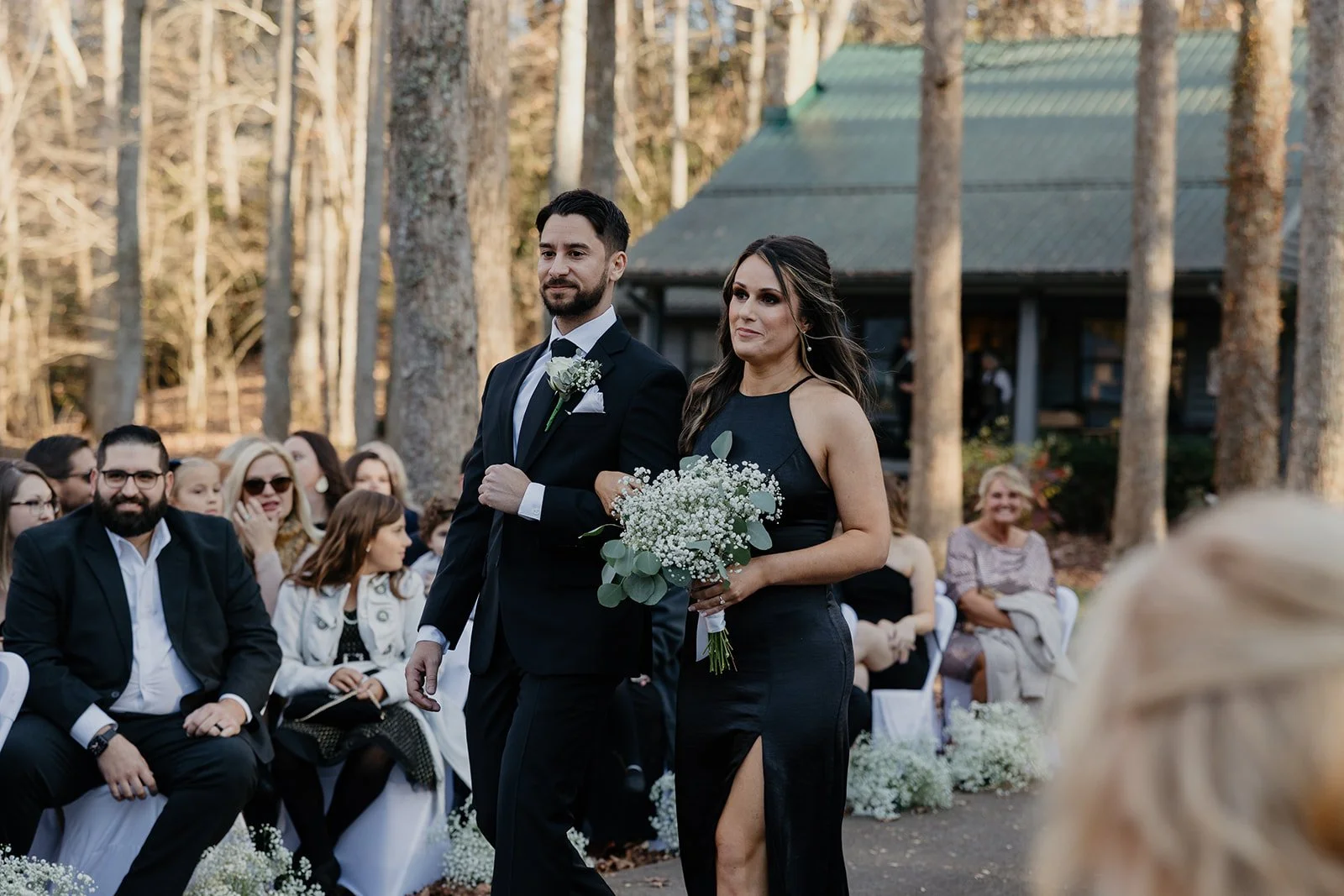
A well-built wedding day timeline doesn’t just keep things organized — it directly shapes how your photos and film look and how your day feels.
After photographing and filming weddings across Chattanooga, Nashville, and throughout Tennessee, one thing is always clear:
the best wedding days aren’t rushed — they’re intentional.
Here’s how to build a wedding day timeline that protects emotional moments, creates beautiful light, and allows your story to unfold naturally on camera.
Start With the End in Mind
Before you fill in a single time slot, ask:
What moments matter most to us?
Do we want a calm day or a high-energy one?
Do we value being present with guests or maximizing portraits?
Are we doing a first look or a traditional aisle reveal?
Your answers determine everything that follows.
Work Backward From Your Ceremony Time
Your ceremony time anchors the entire day.
From there, work backward to plan:
First look (if applicable)
Couple portraits
Wedding party photos
Family formals
Travel time
Getting-ready coverage
This prevents cramming too much into the hours before the ceremony.
Prioritize Natural Light (It Matters More Than You Think)
Light is one of the most important elements in photo and film.
Whenever possible:
Schedule portraits during golden hour
Avoid harsh midday sun for outdoor photos
Plan indoor moments near windows
Build flexibility around sunset times (which change by season)
Great light creates softer images, calmer energy, and more cinematic footage.
Build Buffer Time Into Every Section
This is the biggest difference between a stressful timeline and a smooth one.
Add 10–30 minutes of buffer time for:
Hair & makeup
Getting dressed
Travel
Family formals
Transitions between locations
If things run on time, you gain breathing room.
If something runs late, nothing important gets sacrificed.
Plan Getting-Ready Time Intentionally
Getting-ready coverage is where emotional storytelling begins.
Protect time for:
Letters or gifts
Parent reactions
Quiet moments alone
Natural, candid interactions
Hair and makeup should finish earlier than you think, and the bride should be second-to-last finished, not last.
Decide Early: First Look or Aisle Reveal
This choice dramatically affects your timeline.
First Look
More flexibility earlier in the day
Calmer portrait time
More time with guests later
Traditional Reveal
Emotional ceremony moment
Requires tighter timing
Often pushes portraits later
Neither is better — they simply create different pacing.
Group Photos Strategically
Family formals and wedding party photos move fastest when:
A photo list is created in advance
A designated “family wrangler” helps gather people
Everyone knows where to be and when
Efficiency here protects time for the moments you’ll remember most.
Leave Space After the Ceremony
Right after the ceremony is emotionally rich — and often overlooked.
This is a great time for:
A private moment together
Immediate reactions
Candid guest interactions
Natural, joyful footage
Don’t rush straight into formals if you don’t need to.
Golden Hour Is Worth Restructuring For
If your timeline allows for even 10–15 minutes during golden hour, the difference in your photos and film is noticeable.
Soft light.
Calm energy.
Intentional moments together.
It’s one of the most valuable investments in your wedding day story.
End the Night With Intention, Too
If your reception has a planned exit or final moment:
Coordinate timing with your coverage
Make sure lighting is ready
Keep it meaningful, not rushed
A strong ending gives your wedding film a sense of closure and emotion.
Final Thoughts
The perfect wedding timeline isn’t about filling every minute — it’s about protecting what matters.
When your day flows naturally, your photos feel relaxed, your film feels emotional, and your memories feel complete.
If you’re planning a wedding in Chattanooga or Nashville and want help building a timeline that supports beautiful photo and video coverage without stress, I’d love to help guide you.