
The Science of Golden Hour — and Why It’s Worth Restructuring Your Timeline For
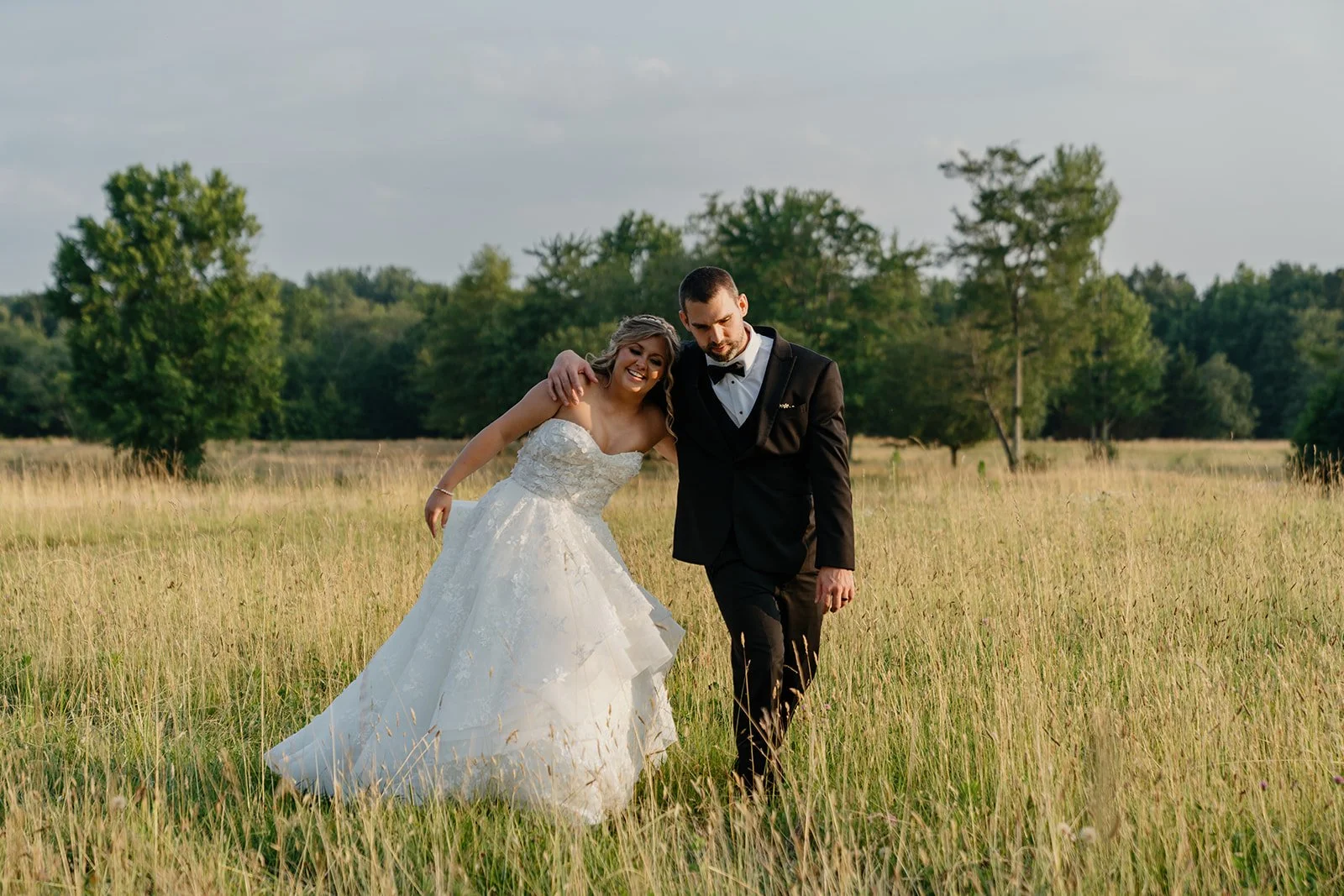
You’ve probably heard photographers and videographers talk about golden hour like it’s sacred. And honestly? There’s a reason for that.
Golden hour isn’t just a buzzword or a trend—it’s a real, scientific lighting phenomenon that dramatically changes how your photos and wedding film look and feel. As a wedding photographer and videographer working across Chattanooga, Nashville, and throughout Tennessee, I’ve seen firsthand how even 10–15 minutes of golden hour can elevate an entire wedding gallery and film.
Here’s the science behind it—and why it’s often worth restructuring your timeline to make space for it.
What Is Golden Hour (Scientifically Speaking)?
Golden hour happens shortly after sunrise and just before sunset, when the sun sits low on the horizon.
Because of its angle, sunlight:
Travels through more of the Earth’s atmosphere
Scatters harsh blue light
Produces warmer tones
Creates softer shadows and lower contrast
The result is light that’s diffused, warm, and incredibly flattering—especially on skin.
This isn’t editing magic. It’s physics.
Why Golden Hour Is So Flattering on Camera
From a technical standpoint, golden hour light:
Wraps around faces instead of hitting them harshly
Minimizes unflattering shadows under eyes and chins
Creates natural highlights without blown-out whites
Preserves accurate, warm skin tones
This is why couples look effortlessly glowing during golden hour—without trying or posing differently.
Golden Hour Creates Natural Depth and Dimension
Because the light is directional and low, golden hour naturally creates:
Separation between subjects and background
Depth in wide shots
Soft backlighting and rim light
A cinematic glow around movement
That’s why walking shots, slow spins, and quiet embraces feel especially emotional during this time—it adds visual depth without artificial lighting.
Why Golden Hour Feels So Emotional
Light doesn’t just affect how things look—it affects how moments feel.
Golden hour:
Feels calm
Signals a transition in the day
Encourages couples to slow down
Naturally creates intimacy
After the rush of the ceremony and family photos, golden hour often becomes the first time couples truly breathe together—and that emotional shift shows up beautifully on film.
Why Overcast Isn’t the Same (But Still Helpful)
Cloudy skies act like a giant softbox, which is great—but golden hour adds warmth and direction that clouds can’t replicate.
Overcast = soft and even
Golden hour = soft, warm, and dimensional
Both are usable. Only one creates that signature cinematic glow.
Why It’s Worth Restructuring Your Timeline
I know—timelines are already packed. But here’s why golden hour is worth protecting:
It’s often your best portrait and film window of the day
It requires minimal posing
It delivers maximum visual payoff
It elevates your entire gallery and film
It gives you a quiet reset before the reception
Many couples tell me afterward that golden hour portraits were their favorite moments of the entire day—not just their favorite photos.
How Much Time Do You Actually Need?
You don’t need a full hour.
10–20 minutes is usually plenty.
That’s it.
With intentional planning and buffer time, we can step away briefly, capture cinematic footage and portraits, and have you right back on the dance floor without guests even noticing you were gone.
How to Plan for Golden Hour Successfully
A few simple planning tips:
Ask your photographer/videographer for sunset timing
Build buffer time before dinner or open dancing
Choose nearby portrait locations
Trust your vendor team to guide pacing
Be open to stepping away briefly
When everyone is aligned, golden hour feels effortless—not disruptive.
Why Golden Hour Never Goes Out of Style
Trends change. Editing styles evolve. Color grading shifts.
Golden hour remains timeless because it’s rooted in nature—not aesthetics.
Decades from now, your photos and film will still feel warm, emotional, and authentic because the light itself is timeless.
Final Thoughts
Golden hour isn’t about chasing perfection—it’s about creating space for the most beautiful light your wedding day offers.
If you’re planning a wedding in Chattanooga or Nashville and want photos and film that feel cinematic, emotional, and timeless, golden hour is one of the smartest timeline decisions you can make.
I’m always happy to help couples plan for it.