
Indoor vs. Outdoor Wedding Ceremonies in Tennessee: Photo & Film Pros and Cons
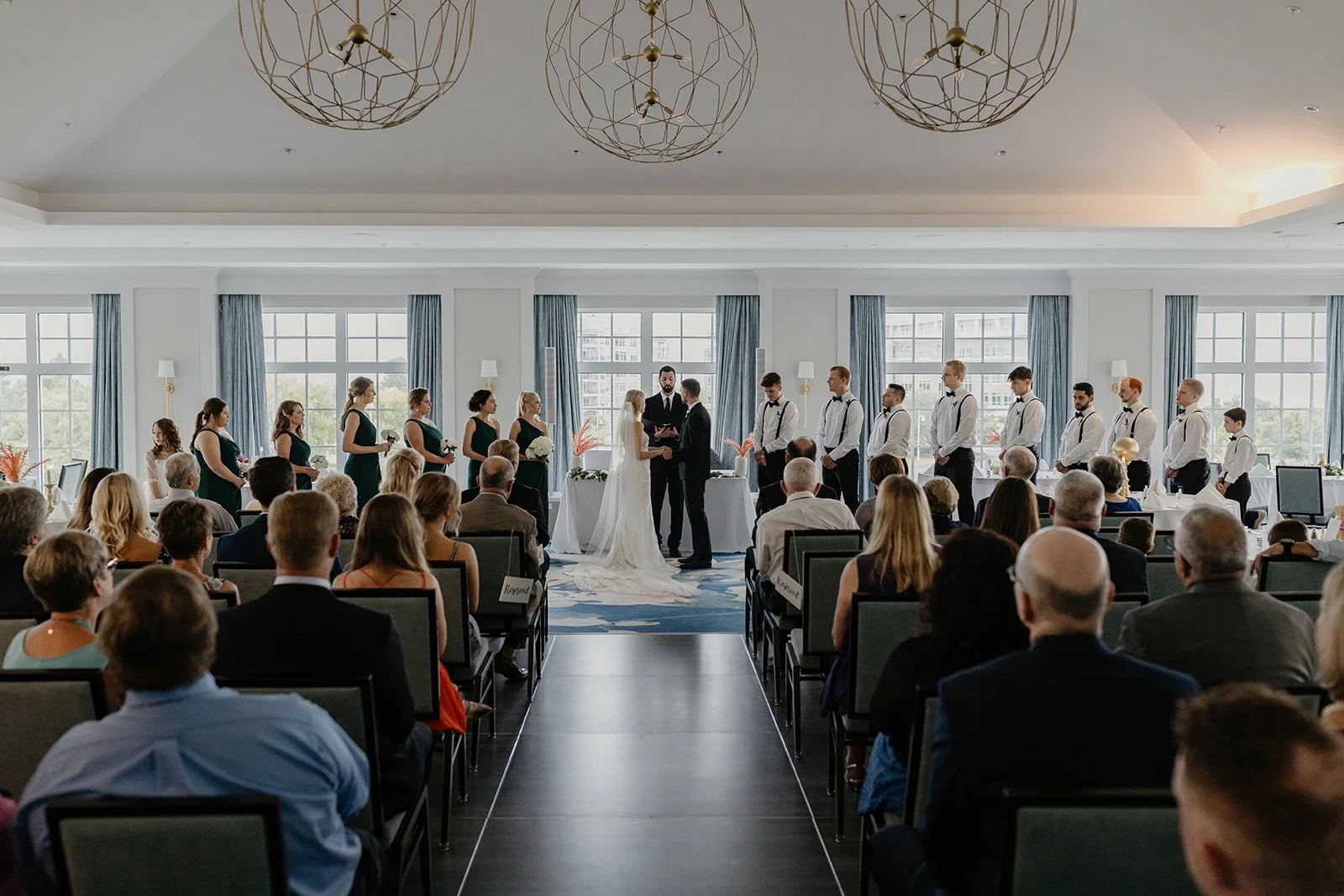
Choosing between an indoor or outdoor ceremony is one of the biggest visual decisions you’ll make for your wedding day. In Tennessee—where weather, light, and landscape vary dramatically—this choice shapes not only the experience for your guests, but how your photos and film look and feel years from now.
After photographing and filming ceremonies across Chattanooga, Nashville, and throughout the state, here’s a clear, honest breakdown of the pros and cons of indoor vs. outdoor ceremonies—from a photo-and-film perspective.
Outdoor Wedding Ceremonies in Tennessee
Pros for Photos & Film
Natural light: Outdoor ceremonies offer soft, directional light that looks beautiful on skin tones and adds depth to photos and film.
Scenic backdrops: Mountains, fields, gardens, and city views add scale and atmosphere without heavy décor.
Open space: Movement feels natural, allowing candid reactions and cinematic angles.
Ambient sound: Wind through trees, birds, and crowd reactions can add texture to film (when controlled).
Cons to Consider
Weather unpredictability: Heat, rain, wind, and humidity are real factors—especially spring and summer.
Harsh sun at midday: Direct overhead sun can cause squinting and strong shadows.
Sound challenges: Wind and open spaces require careful audio planning for vows.
Guest comfort: Heat and bugs can affect attention and energy if not planned for.
Best practice:
Choose ceremony times that prioritize light first (late afternoon/early evening), build shade options, and have a real rain backup—not just a vague plan.
Indoor Wedding Ceremonies in Tennessee
Pros for Photos & Film
Climate control: Comfort stays consistent regardless of season.
Reliable audio: Enclosed spaces typically produce cleaner vow recordings.
Lighting consistency: No sudden weather changes mid-ceremony.
Predictable timelines: Fewer delays due to conditions.
Cons to Consider
Limited natural light: Some venues rely heavily on artificial lighting, which can feel flat if not designed well.
Color casts: Uplighting or mixed bulbs can affect skin tones.
Tighter spaces: Movement and angles may be more limited.
Décor dependency: The room’s look matters more indoors—busy ceilings or dark walls can distract.
Best practice:
Look for venues with large windows, neutral walls, and good ceiling height. Thoughtful lighting design (warm, even, dimmable) makes a huge difference.
How Tennessee Seasons Tip the Scale
Spring (Mar–May): Outdoor ceremonies shine—just plan for wind and rain.
Summer (Jun–Aug): Indoor or shaded outdoor ceremonies often feel better for guests and photos.
Fall (Sep–Nov): Outdoor ceremonies are ideal with cooler temps and softer light.
Winter (Dec–Feb): Indoor ceremonies offer comfort and intimacy with controlled light and sound.
What Matters More Than Indoor vs. Outdoor
Regardless of location, these factors impact photos and film the most:
Ceremony start time (light > tradition)
Orientation to the sun or windows
Sound setup for vows
Guest comfort (shade, seating, airflow)
Clear backup plans
A well-planned indoor ceremony will always outperform a poorly timed outdoor one—and vice versa.
Chattanooga vs. Nashville Considerations
Chattanooga: Elevation, wind, and mountain light can be stunning outdoors—plan buffers for travel and weather shifts.
Nashville: Urban venues offer strong indoor options; outdoor spaces need careful timing to avoid harsh sun and traffic noise.
Final Thoughts
There’s no universal “better” choice—only what’s better planned.
Outdoor ceremonies offer unmatched atmosphere when light and comfort are prioritized. Indoor ceremonies provide consistency and control when the space and lighting are chosen intentionally. The right decision is the one that supports calm energy, clear sound, and beautiful light.
If you’re planning a wedding anywhere in Tennessee and want help choosing (or optimizing) your ceremony setup for the best photos and film, I’d love to help guide you.