
Should You Hire One Vendor for Wedding Photography and Videography?
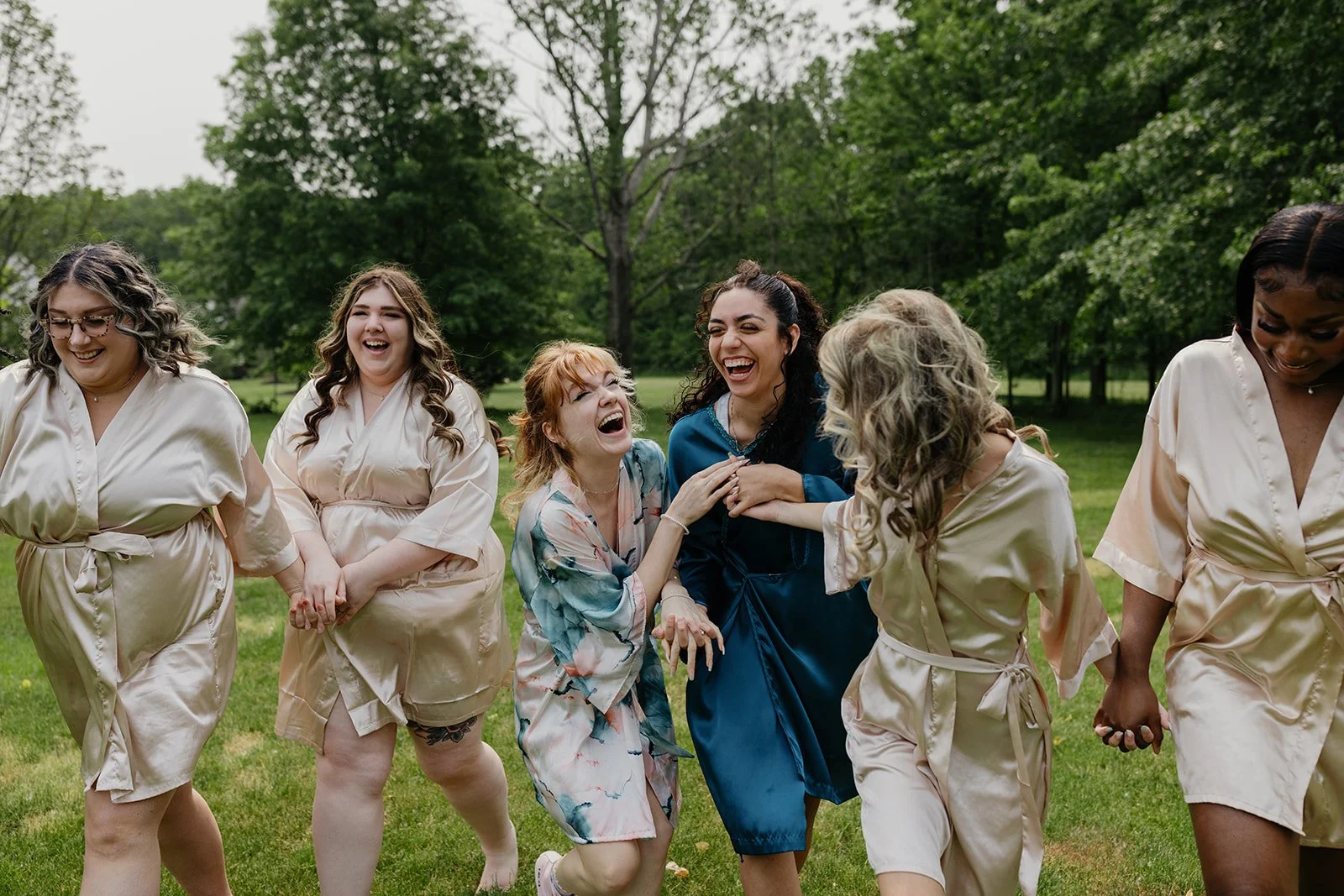
When couples begin planning their wedding, photography is often one of the first major vendors they book.
Videography sometimes comes shortly afterward.
That creates an important decision:
Should you hire separate companies for wedding photography and videography, or choose one team that provides both?
There is no single answer that works for every wedding.
Some couples prefer hiring two independent specialists whose individual styles they love. Others value the convenience, coordination, and consistency that come from working with one wedding media company.
As a wedding photographer and videographer serving Chattanooga, Nashville, and couples throughout Tennessee, I have seen how much smoother a wedding day can feel when the photo and video teams already understand one another’s communication, workflow, and creative approach.
Here is what you should consider before deciding which option is best for your wedding.
What Does It Mean to Hire One Company for Photo and Video?
Hiring one company for wedding photography and videography means both services are booked through the same business.
Depending on the company, your wedding team may include:
A lead photographer
A second photographer
A lead videographer
An additional videographer
A dedicated editor
One main point of contact
The company handles the planning, contracts, payments, timeline coordination, and delivery process for both services.
This is different from hiring a photographer who simply recommends an unrelated videographer.
A true combined wedding media company manages both services as part of one organized team.
The Main Benefits of Hiring One Company
For many couples, the biggest benefit is simplicity.
Wedding planning involves communicating with a long list of vendors. Reducing the number of separate contracts, emails, consultations, and payment schedules can make the process much easier.
However, convenience is only one advantage.
A coordinated photography and videography team can also create a more relaxed wedding day and a more cohesive final collection.
One Point of Contact Simplifies Planning
When you hire separate companies, you may need to communicate the same information multiple times.
You may have to send both teams:
Your wedding timeline
Venue details
Family photo list
Ceremony restrictions
Travel plans
Vendor contacts
Special traditions
Important relationships
Surprise events
When both services come from one company, much of that communication is centralized.
You can discuss your priorities during one consultation and work with one primary contact throughout the planning process.
That means fewer emails, fewer scheduling conflicts, and less opportunity for important information to be missed.
The Photo and Video Teams Already Know How to Work Together
Wedding photographers and videographers often need to occupy the same spaces at the same time.
Both teams want to capture:
The processional
The first look
The vows
The first kiss
Couple portraits
The first dance
Parent dances
Toasts
The grand exit
When the teams have never worked together, they must quickly learn one another’s habits on the wedding day.
An established team already knows:
Where each person is likely to stand
How to avoid blocking important angles
When to step forward
When to give the other person space
How to coordinate lighting
How to manage portraits efficiently
How to communicate quietly during the ceremony
That familiarity can make the day feel more organized and less crowded.
A Coordinated Team Can Reduce Competition for Shots
Most experienced professionals know how to work respectfully with other vendors.
Even so, independent teams may occasionally have different priorities.
A photographer may want a clean portrait without visible video equipment.
A videographer may need movement or audio that requires additional setup.
One team may prefer a particular ceremony angle while the other needs the same position.
When the photographer and videographer are part of the same company, they are more likely to plan their coverage together.
The goal becomes creating the strongest combined result rather than competing for individual shots.
Your Wedding Timeline May Flow More Smoothly
Photography and videography both require time.
If the two teams have different plans, the schedule can become repetitive.
For example, a photographer may finish directing a couple into a pose, only for the videographer to request a similar setup afterward.
A coordinated team can capture photography and video during the same portrait session without making the couple repeat every movement twice.
During planning, the team can also account for:
First look coverage
Private vows
Wedding party portraits
Family photographs
Golden-hour portraits
Reception formalities
Audio setup
Drone coverage
Travel between locations
This creates a timeline designed around both services from the beginning.
Your Photos and Film Can Feel More Consistent
Photography and videography are different art forms, but they should still feel like they belong to the same wedding.
When one company provides both, there may be greater consistency in:
Color
Mood
Storytelling
Lighting
Posing
Editing style
Overall emotional tone
For example, if you prefer timeless colors, natural moments, and elegant storytelling, you probably do not want a bright, classic photography gallery paired with an extremely dark and heavily stylized wedding film.
A cohesive team can create photographs and video that complement one another while still allowing each medium to feel distinct.
Package Pricing May Be More Convenient
Some companies offer bundled photography and videography packages.
A combined package may include:
Full-day photography coverage
Full-day videography coverage
Second shooters
Engagement session
Highlight film
Ceremony film
Toast films
Drone footage
Online photo gallery
Digital film delivery
Bundling may provide better value than booking every service separately.
However, couples should compare what is actually included rather than assuming a bundle is automatically less expensive.
The lowest price is not always the best value, especially if the package does not include enough coverage or experienced team members.
Contracts and Payments Are Easier to Manage
Booking one company typically means:
One contract
One retainer
One payment schedule
One planning process
One delivery platform
One set of policies
This can reduce administrative stress.
It also means there is less confusion about who is responsible for specific parts of the day.
Before booking, make sure the contract clearly explains both photography and videography deliverables, turnaround times, team size, and backup plans.
A Unified Team May Handle Unexpected Changes Better
Wedding days rarely unfold exactly as planned.
Weather changes.
Ceremonies run late.
Transportation is delayed.
Portrait locations become unavailable.
A coordinated team can adjust together instead of creating separate backup plans.
For example, if rain changes your outdoor portrait location, the photographer and videographer can quickly agree on an indoor space and determine how both services will capture it.
That can save time and prevent the couple from receiving conflicting instructions.
The Benefits for Your Wedding Film
A strong wedding film depends on more than beautiful video footage.
It also relies on:
Clean audio
Emotional storytelling
Thoughtful timing
Natural interactions
Consistent lighting
Coverage of important people
Cooperation with the photographer
When both teams work together regularly, the photographer may help create opportunities that improve the film.
For example, the team may coordinate:
A private vow exchange
Natural walking shots
Golden-hour portraits
A quiet moment before the reception
A private last dance
Intentional reception lighting
The result is not simply two separate products.
It is a connected visual record of the day.
The Potential Drawbacks of Hiring One Company
There are many benefits, but couples should still research carefully.
Not every company that offers both services provides the same level of quality in each area.
Some businesses may be excellent at photography but less experienced in filmmaking.
Others may have a strong video portfolio but inconsistent photography.
Do not assume both services are equally strong simply because they are sold together.
One Service May Be Stronger Than the Other
Before booking, review complete examples of both photography and videography.
Look at:
Full wedding photo galleries
Complete highlight films
Full ceremony films
Reception footage
Low-light photography
Audio quality
Color consistency
Storytelling
Editing quality
You should feel confident in both services independently.
A package is only a good value if you genuinely love the photographer’s work and the videographer’s work.
You May Have Fewer Style Options
Hiring separate companies gives you the freedom to choose two very different creative styles.
For example, you may want:
Traditional photography with documentary video
Fine-art photography with cinematic filmmaking
Editorial portraits with a natural, unscripted film
A combined company may offer a more unified style, which is a benefit for some couples but a limitation for others.
The most important question is whether that company’s overall aesthetic matches your vision.
Ask Who Will Actually Photograph and Film Your Wedding
Some larger companies use associate teams.
The work on the website may have been created by the owner, while a different photographer or videographer is assigned to your wedding.
That does not automatically mean the experience will be poor.
Many associate teams are highly talented.
However, you should know exactly what you are booking.
Ask:
Who will photograph our wedding?
Who will film it?
Can we see their recent work?
Have they worked together before?
Will the owner be present?
Who edits the photos and film?
What happens if someone becomes unavailable?
Clear answers help prevent surprises.
Separate Companies Can Still Work Beautifully Together
Hiring two separate companies does not mean your wedding will be uncoordinated.
Experienced photographers and videographers regularly work with professionals they have never met before.
A respectful team will:
Introduce themselves
Discuss ceremony positions
Coordinate portrait coverage
Avoid blocking each other
Share timeline information
Communicate throughout the day
The key is choosing experienced professionals who understand that collaboration is part of their job.
If you love the work of two separate companies, you should not avoid booking them simply because they are not part of the same business.
Questions to Ask a Combined Photography and Videography Company
Before booking one company for both services, ask the following questions.
Can We See Complete Photo Galleries and Wedding Films?
Do not evaluate the company only through social media highlights.
Ask to see work from complete weddings with conditions similar to yours.
Look for consistency throughout the entire day.
How Many Team Members Will Be Present?
Find out whether the package includes:
One photographer and one videographer
A second photographer
A second videographer
Assistants
Dedicated audio coverage
The right team size depends on your guest count, number of locations, timeline, and desired deliverables.
Have the Assigned Team Members Worked Together Before?
An established working relationship is one of the main reasons to choose one company.
Ask whether the people assigned to your wedding regularly work as a team.
How Is Audio Recorded?
Audio is one of the most important parts of wedding videography.
Ask how the company records:
Vows
Officiant audio
Toasts
Letters
Reception speeches
Live music
Professional videographers should use dedicated audio equipment and backup recording methods whenever possible.
What Video Deliverables Are Included?
The term “wedding video” can mean many different things.
Clarify whether your package includes:
Teaser film
Highlight film
Full ceremony film
Full toast films
First dance film
Documentary edit
Raw footage
Drone footage
Make sure the expected film lengths and delivery formats are listed clearly.
How Many Photographs Will We Receive?
Ask whether the photographer provides:
A guaranteed minimum
An estimated range
High-resolution downloads
Printing rights
Online gallery access
Black-and-white images
Album options
The contract should clearly explain the photo deliverables.
What Are the Turnaround Times?
Photography and video may have different delivery schedules.
Ask when you can expect:
Sneak-peek photographs
Full wedding gallery
Teaser video
Highlight film
Ceremony and toast films
These timelines should appear in the contract.
What Is the Backup Plan?
Ask what happens if:
A photographer becomes sick
A videographer has an emergency
Equipment fails
Files become corrupted
Weather changes the timeline
A professional company should use backup equipment, redundant storage, and a reliable network of replacement professionals.
When Hiring One Company Makes the Most Sense
A combined photography and videography team may be especially helpful when:
You want a simple planning process
You prefer one point of contact
You want cohesive photo and video styles
Your wedding has a complicated timeline
Your ceremony and reception are at different locations
You want your portrait experience to feel efficient
You value a team that has already worked together
You want bundled package options
This approach can be especially useful for large weddings, destination weddings, and celebrations with several locations.
When Hiring Separate Companies May Be Better
Separate companies may be the right choice when:
You strongly prefer two different creative styles
Your favorite photographer does not offer video
Your favorite filmmaker does not offer photography
You want highly specialized services
You have already booked one vendor
You have confirmed that both teams collaborate well
There is nothing wrong with building your vendor team individually.
The goal is not to choose the most convenient option at the expense of quality.
The goal is to hire people whose work you trust and whose presence will improve your wedding experience.
Photography and Videography Serve Different Purposes
Photography and video are closely connected, but they preserve your wedding in different ways.
Photography captures:
Expressions
Portraits
Details
Decor
Reactions
Individual moments
Videography preserves:
Movement
Voices
Vows
Laughter
Music
Speeches
The atmosphere of the day
A photograph may preserve the expression on your parent’s face during a toast.
A video allows you to hear their voice again.
A photograph captures the first kiss in one powerful frame.
A film allows you to watch the moment unfold.
When both services are created thoughtfully, they strengthen one another.
Chattanooga Wedding Photography and Videography Considerations
Chattanooga weddings often include a mix of:
Mountain venues
Downtown locations
Riverfront portraits
Outdoor ceremonies
Historic buildings
Rural estates
Multiple weather conditions
A coordinated team can plan coverage around changing light, mountain travel, wind, rain, and sunset.
For weddings near Lookout Mountain, Signal Mountain, or more remote venues, communication is especially important because travel time and limited phone service may affect the schedule.
One team can coordinate those logistics in advance and create a unified backup plan.
Nashville Wedding Photography and Videography Considerations
Nashville weddings may involve:
Multiple venues
Downtown traffic
Hotel getting-ready locations
Church ceremonies
Estate receptions
Rooftop portraits
Larger guest counts
Longer travel times
When photography and videography are managed by one company, transportation and coverage can be planned together.
This helps ensure both teams are in the right location before major events begin.
Why I Offer Wedding Photography and Videography Together
At Spencer Purcell Films, photography and filmmaking are approached as two parts of the same story.
The goal is not to have the photographer create one version of the wedding while the videographer creates something completely disconnected.
The goal is to preserve the day with a consistent understanding of:
Your relationships
Your priorities
Your timeline
Your personalities
Your venue
The moments that matter most
By planning together, the photo and video team can work efficiently without making the wedding feel like a production.
Couples still receive natural direction when they need it, but they also have space to experience real moments without constant interruption.
What a Strong Combined Team Should Feel Like
A good photography and videography team should not make you feel surrounded by cameras all day.
They should know when to direct and when to step back.
During portraits, they should communicate clearly so you are not receiving competing instructions.
During emotional moments, they should document what happens without changing it.
During the ceremony, they should capture multiple perspectives without distracting guests.
During the reception, they should preserve the energy while allowing you to enjoy it.
The best team feels organized without making the wedding feel overly controlled.
Final Thoughts
So, should you hire one company for wedding photography and videography?
For many couples, the answer is yes.
A combined team can simplify planning, improve communication, create a smoother timeline, and deliver photographs and films that feel naturally connected.
However, convenience should never replace quality.
Before booking, make sure you love both the photography and videography. Review complete galleries and films, ask who will be present, understand the deliverables, and read the contract carefully.
Whether you choose one company or two, your photographer and videographer should share the same goal:
To preserve your wedding beautifully while allowing you to remain present enough to enjoy it.
Frequently Asked Questions
Is it better to hire one company for wedding photography and videography?
It can be better for couples who value simple planning, coordinated coverage, and a consistent creative style. However, you should confirm that the company produces strong work in both photography and videography.
Is it cheaper to book photography and videography together?
Some companies offer bundled packages that provide better value than booking separately. Compare the hours, team size, deliverables, experience, and final products rather than evaluating price alone.
Will one company use the same person for photography and video?
Usually not. Professional combined coverage typically requires at least one dedicated photographer and one dedicated videographer because both services need attention at the same time.
Do photographers and videographers get in each other’s way?
Experienced professionals know how to communicate and share space. Teams that regularly work together may coordinate positions and portrait coverage more efficiently.
What should be included in a wedding photography and videography package?
A package may include photography coverage, video coverage, edited photographs, an online gallery, a highlight film, ceremony footage, toast films, audio recording, drone coverage, and additional shooters. Exact deliverables vary by company.
Should I still see full galleries and films before booking?
Yes. Review complete photography galleries and full wedding films to make sure both services remain consistent during ceremonies, receptions, low-light conditions, and unscripted moments.
Preserve Your Wedding Through Photography and Film
Your wedding photographs will preserve the expressions, details, and individual moments that made your celebration unforgettable.
Your wedding film will preserve the movement, voices, vows, laughter, and atmosphere surrounding those moments.
Together, they create a more complete record of your wedding day.
At Spencer Purcell Films, I provide wedding photography and videography for couples throughout Chattanooga, Nashville, and across Tennessee. My approach combines natural storytelling, timeless imagery, professional audio, and a coordinated team experience designed to help your wedding feel relaxed from beginning to end.
Instead of managing separate teams with different timelines and priorities, you can work with one company that understands your full vision and knows how to preserve it through both photography and film.