
Why Your Ceremony Time Impacts Your Entire Photo & Film Story
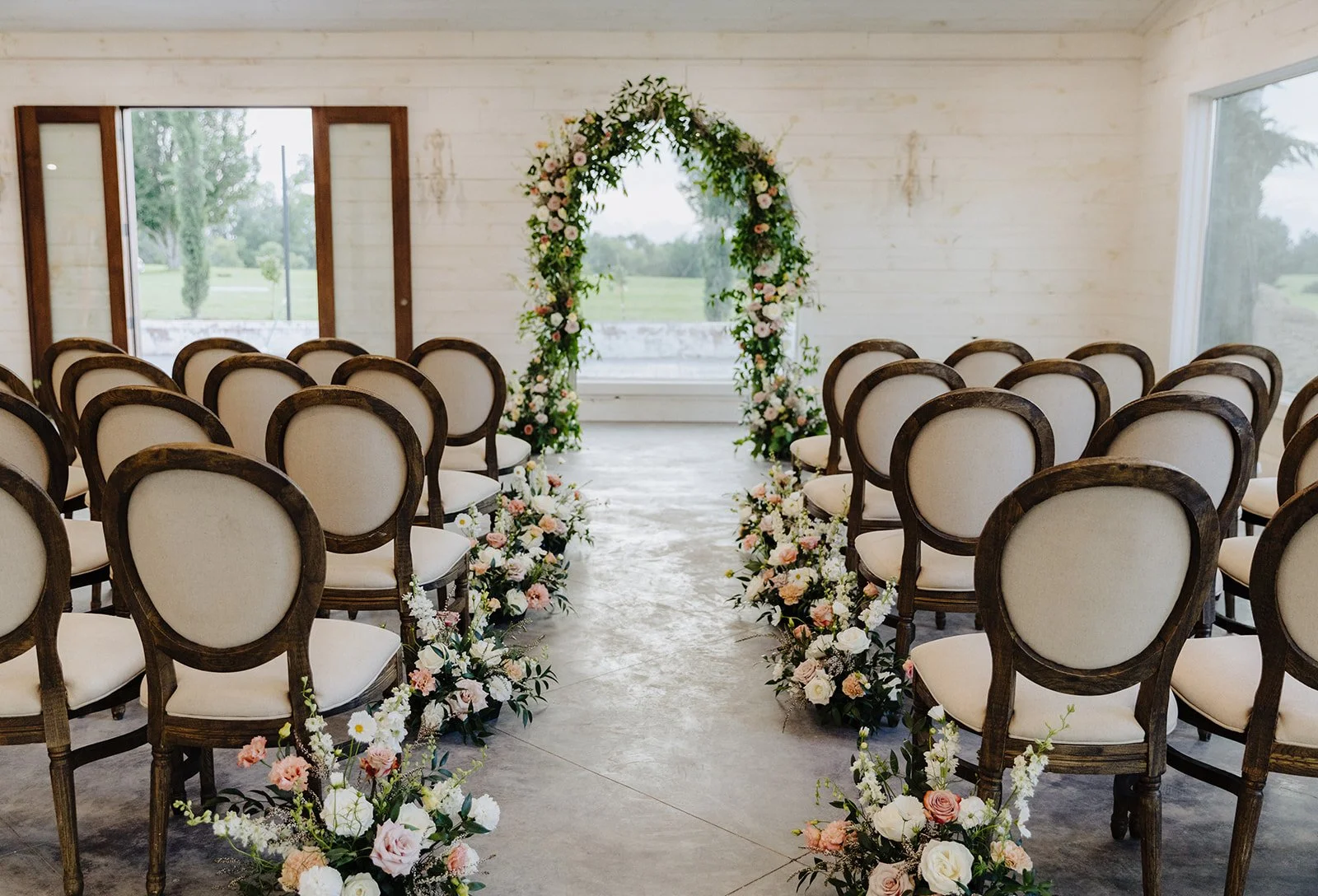
When couples think about their ceremony time, they usually focus on guest convenience or venue availability. What many don’t realize is that your ceremony time quietly shapes your entire wedding story—from how relaxed the day feels to how cinematic your photos and film look.
After photographing and filming weddings throughout Chattanooga, Nashville, and across Tennessee, one truth always holds:
ceremony timing influences everything that comes before and after it.
Here’s why that single decision matters more than you might expect.
Your Ceremony Time Sets the Emotional Pace of the Day
Early ceremonies often create a sense of urgency.
Late ceremonies often allow the day to unfold more slowly.
Neither is wrong—but they feel very different.
A well-chosen ceremony time:
Reduces rushing
Protects emotional moments
Allows space for anticipation
Creates a natural rhythm for storytelling
Your film doesn’t just document events—it reflects how the day felt.
Light Is the Biggest Factor (Even If You Don’t Notice It)
Light changes everything on camera.
Ceremony time affects:
Where the sun is positioned
Whether guests are squinting
How shadows fall on faces
The warmth or coolness of your images
Late afternoon ceremonies often benefit from softer light, while midday ceremonies can create harsher conditions that require careful planning.
This doesn’t mean one is “better”—it means intention matters.
Portrait Timing Depends on Ceremony Placement
Your ceremony time determines when portraits happen:
Before the ceremony
After the ceremony
During golden hour
Or spread throughout the day
Each option creates a different storytelling experience:
Pre-ceremony portraits feel calm and private
Post-ceremony portraits feel celebratory and relaxed
Golden hour portraits feel intimate and cinematic
The ceremony acts as the hinge point for all of it.
Guest Energy Shifts Based on Timing
Guests feel time, even when they don’t realize it.
Earlier ceremonies:
Often mean higher energy earlier
Can lead to longer waits before dinner
Require careful pacing
Later ceremonies:
Feel more relaxed for couples
Keep guests engaged through dinner and dancing
Often result in smoother transitions
Guest energy directly impacts how your reception feels—and how it looks on film.
Golden Hour Is Tied to Ceremony Timing
Golden hour is one of the most valuable windows of the day for photo and film.
If your ceremony runs too close to sunset:
Portrait time may feel rushed
Light may disappear quickly
Emotion can get squeezed
If your ceremony ends with golden hour available:
You gain quiet, intimate time together
Light is soft and flattering
Your film gains a cinematic emotional peak
Sometimes adjusting your ceremony by 30 minutes changes everything.
Audio Quality Is Affected Too
Ceremony timing can also impact:
Wind levels
Guest movement noise
Heat-related distractions
Outdoor sound conditions
Clear vows are just as important as beautiful visuals—and timing plays a role in both.
Why Ceremony Time Impacts the Final Film Structure
From a filmmaking standpoint, ceremony timing affects:
Where emotional peaks land
How the story opens and closes
The pacing of the edit
Whether moments feel rushed or reflective
A well-timed ceremony creates natural chapters in your film rather than forcing everything into tight windows.
How to Choose the Right Ceremony Time
Instead of asking “What’s typical?”, ask:
When is the light best at our venue?
Do we want calm or high energy?
Are we prioritizing guest comfort or portrait time?
Do we want golden hour together?
Those answers lead to better decisions than tradition alone.
Final Thoughts
Your ceremony time isn’t just a logistical detail—it’s a storytelling decision.
When chosen intentionally, it creates better light, calmer pacing, and more emotional photo and film coverage from start to finish.
If you’re planning a wedding in Chattanooga or Nashville and want help choosing a ceremony time that supports beautiful photos, meaningful moments, and a film that feels natural and cinematic, I’d love to help guide you.